

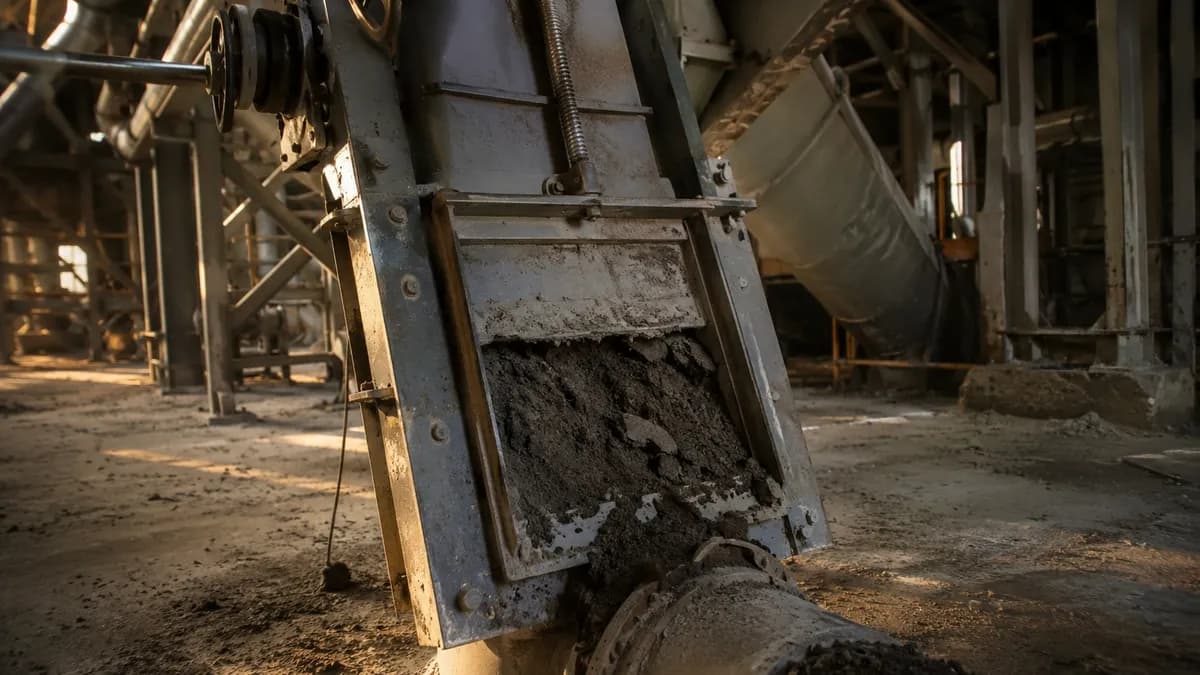
When a valve stops working in a busy plant, everything can grind to a halt. Materials pile up, production slows down, and costs climb fast. That's why slide gate valve failure is a headache no plant manager wants to deal with.
Slide Gate Valves are the workhorses that control the start and stop of solids in bulk material handling systems. They handle cement, ash, grain, powders, chemicals, and more. But when they fail, the whole line suffers. In this blog, we'll explain why they break down, how to spot trouble early, and what you can do to keep them running smoothly.
What Are Slide Gate Valves and Why They Matter
A slide gate valve works like a sliding door. A flat plate moves across an opening to either let material flow or block it. Simple design, big job.
These industrial valves are common in:
Cement plants
Power plants (ash handling system)
Food processing units
Chemical and pharmaceutical factories
Mineral processing plants
They make material flow control reliable and safe. When they work well, you barely notice them. When they fail, you notice everything.
Common Reasons Slide Gate Valves Fail
Let's look at the real causes behind slide gate valve failure. Understanding these helps you prevent them.
1. Valve Wear from Abrasive Materials
Cement, sand, and ash are rough. Over time, they grind down the gate plate and seals. This valve wear is the number one killer of a gate valve for bulk material.
2. Valve Sealing Problems
When seals wear out, you get material leakage. Dust escapes, product is wasted, and the work area gets messy. Poor sealing also lets air leak in pneumatic conveying system setups, hurting performance.
3. Material Buildup and Jamming
Sticky powder handling systems materials can cake up inside the valve body. The gate then jams and won't fully open or close. This is a top complaint in food processing equipment and chemical processing equipment.
4. Poor Installation
A valve installed at the wrong angle or with misaligned bolts wears out faster. Small mistakes lead to big failures.
5. Skipping Maintenance
Many failures come from ignored valve maintenance. Dry actuators, loose bolts, and dirty guides slowly destroy a good valve.
Warning Signs to Watch For
Catch these early and you'll save money:
Gate moves slowly or sticks
Visible dust or material leakage around the valve
Loud grinding or scraping noises
Air pressure drops in your conveying line
Seals look cracked or flattened
If you spot these, start valve troubleshooting right away.
Comparison: Healthy Valve vs Failing Valve
Feature | Healthy Valve | Failing Valve |
Gate movement | Smooth and fast | Slow or jammed |
Sealing | Tight, no leaks | Leaking material |
Noise | Quiet | Grinding sounds |
Air pressure | Stable | Dropping |
Wear on plate | Minimal | Deep grooves |
Smart Maintenance Tips
Good slide gate valve maintenance keeps your bulk solids handling equipment running for years. Here's how the pros do it.
Clean the valve body and guides regularly
Check and replace worn seals on schedule
Lubricate moving parts as recommended
Tighten loose bolts and check alignment
Test actuator response every few weeks
This is where choosing the right partner matters. Oswar Rotocorp builds durable Slide Gate Valves designed for tough, abrasive jobs, so plants spend less time on repairs and more time on production.
Maintenance Checklist Table
Task | How Often | Why It Helps |
Inspect seals | Monthly | Stops leakage early |
Clean gate and guides | Weekly | Prevents jamming |
Lubricate parts | Monthly | Reduces wear |
Check bolts and alignment | Quarterly | Extends valve life |
Test actuator | Bi-weekly | Ensures smooth flow |
How to Prevent Slide Gate Valve Failure
Prevention beats repair every time. Follow these best practices:
Pick the right material. Use hardened or lined plates for abrasive solids.
Match the valve to the job. A valve made for dry powder may not suit sticky material.
Train your team. Simple daily checks catch problems fast.
Keep spare parts ready. Seals and gaskets wear out first.
Good flow control equipment should fit your exact process, not a general guess.
Choosing the Right Slide Gate Valve
When buying an industrial slide gate valve, think about these:
Material type: Is it abrasive, sticky, or fine?
Temperature: Hot ash needs heat resistant parts.
Sealing needs: Dust tight for food and pharma.
Size and flow rate: Match your line capacity.
Actuator type: Manual, pneumatic, or electric.
Choosing wisely reduces future slide gate valve failure and keeps your industrial material handling smooth.
When Repair Isn't Enough: Time to Replace
Sometimes fixing a valve costs more than replacing it. Consider a new valve when:
The valve body has deep wear or cracks
You replace seals too often
Downtime keeps rising
Old parts are hard to find
A fresh, well built valve often pays for itself through fewer breakdowns and better material flow control.
Keep Your Plant Moving with the Right Valve Partner
Reliable Slide Gate Valves are the quiet heroes of every plant. When you invest in quality and follow smart valve maintenance, you avoid costly stops and keep production steady.
If you want long lasting valves built for real industrial demands, Oswar Rotocorp is a trusted name in high quality Slide Gate Valves for cement, power, food, chemical, and mineral plants. Their valves are engineered to resist wear and reduce leaks.
Contact Us today to find the perfect valve for your bulk material handling systems and cut down on unexpected downtime.
Frequently Asked Questions
1. What causes a slide gate valve to jam?
Material buildup, worn guides, or dried lubricant usually cause jamming. Regular cleaning prevents it.
2. How long do slide gate valves last?
With proper care, many last 5 to 10 years. Abrasive materials shorten this without hardened plates.
3. Why is my slide gate valve leaking material?
Worn or damaged seals are the most common cause. Replacing seals usually fixes it.
4. How do I stop dust leaking from a slide gate valve?
Use dust tight seals and check them monthly. Proper installation also helps.
5. What is the difference between a slide gate valve and a knife gate valve?
Slide gate valves handle dry bulk solids, while knife gate valves are often used for slurries and liquids.
6. Can slide gate valves handle abrasive materials?
Yes, but you need hardened or lined plates to resist wear from materials like cement and ash.
7. How often should I service a slide gate valve?
Do quick checks weekly and full inspections monthly for best results.
8. What type of valve is best for powder handling systems?
A well sealed slide gate valve with smooth guides works great for fine powders.
9. Why does my pneumatic conveying line lose pressure?
Air often leaks through worn valve seals. Check and replace them to restore pressure.
10. When should I replace instead of repair a slide gate valve?
Replace when the body is cracked, wear is deep, or repairs become too frequent and costly.
