

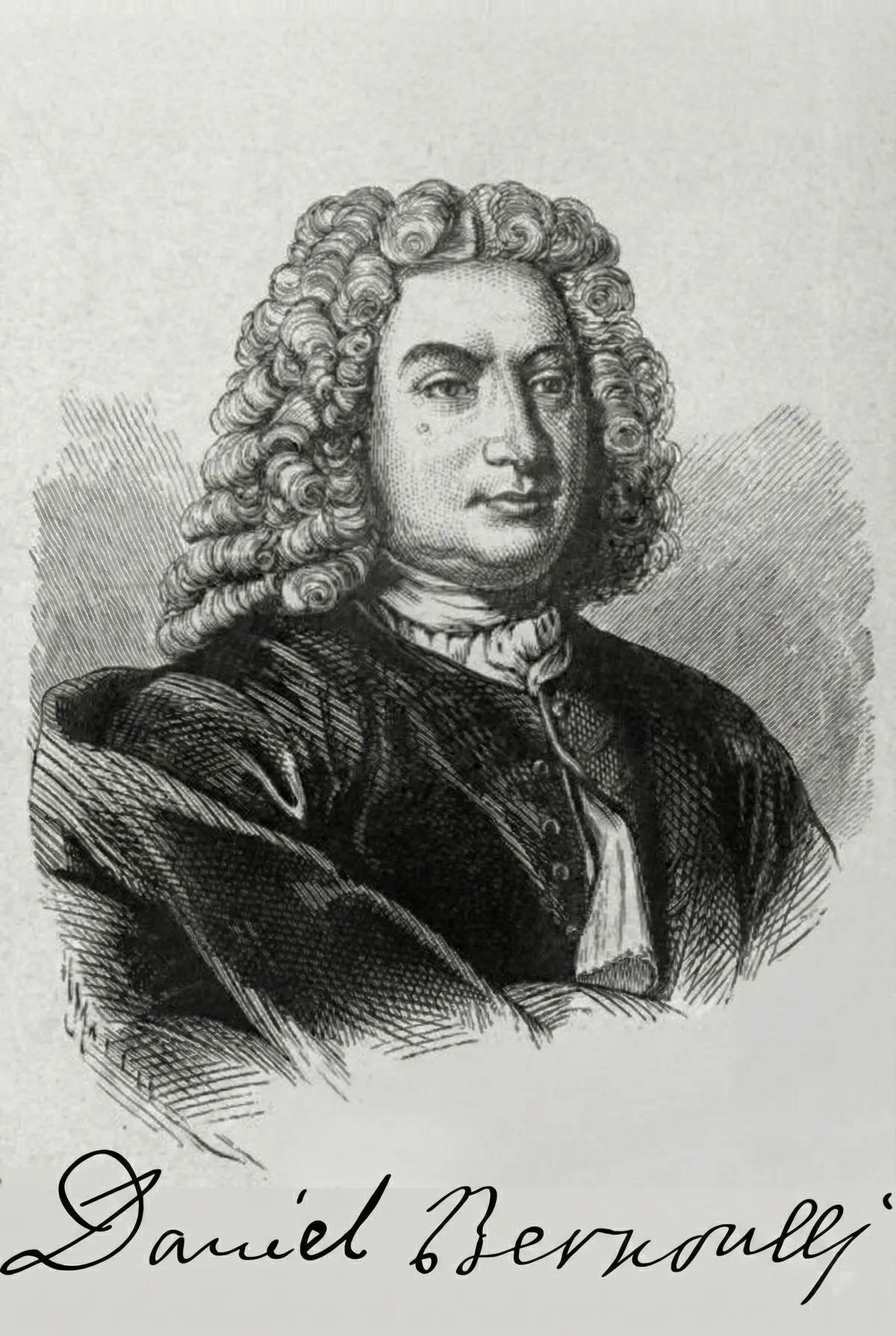
1738
LAWS OF FLOW
Daniel Bernoulli publishes his groundbreaking work on fluid dynamics, establishing the mathematical principles that would later govern pneumatic conveying and airlock design. His work on fluid pressure and velocity formed the basis of pneumatic conveying.
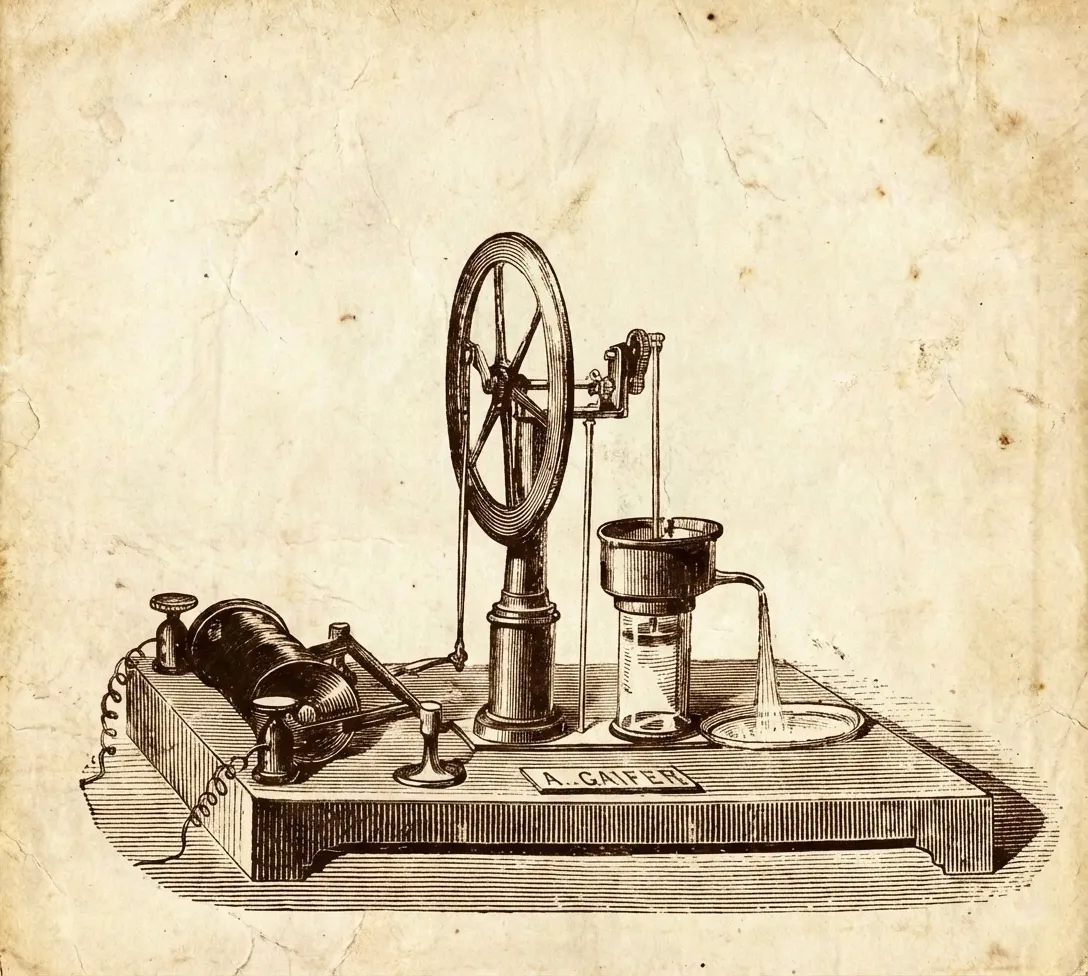
1760s-1790s
PRESSURE CHAMBER RESEARCH
James Watt's research on sealed pressure chambers influenced industrial valve and enclosure design, contributing to the development of pressure differential control systems.
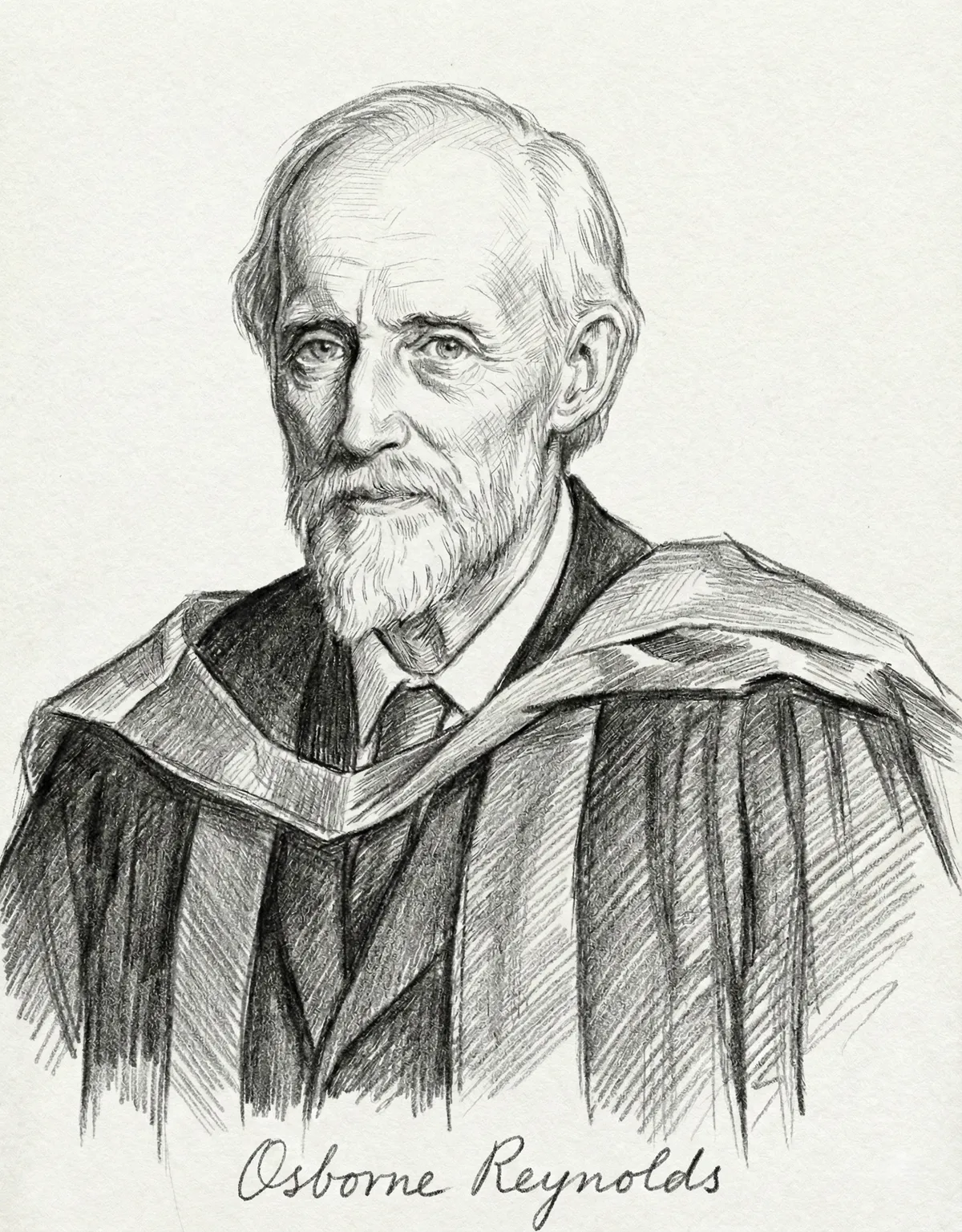
1800s
IRON & GRAVITY
Early gravity-fed and manually driven rotary feeders were developed for grain mills and flour processing. Constructed from cast iron and wood, these devices introduced the idea of continuous, non-clogging material flow.
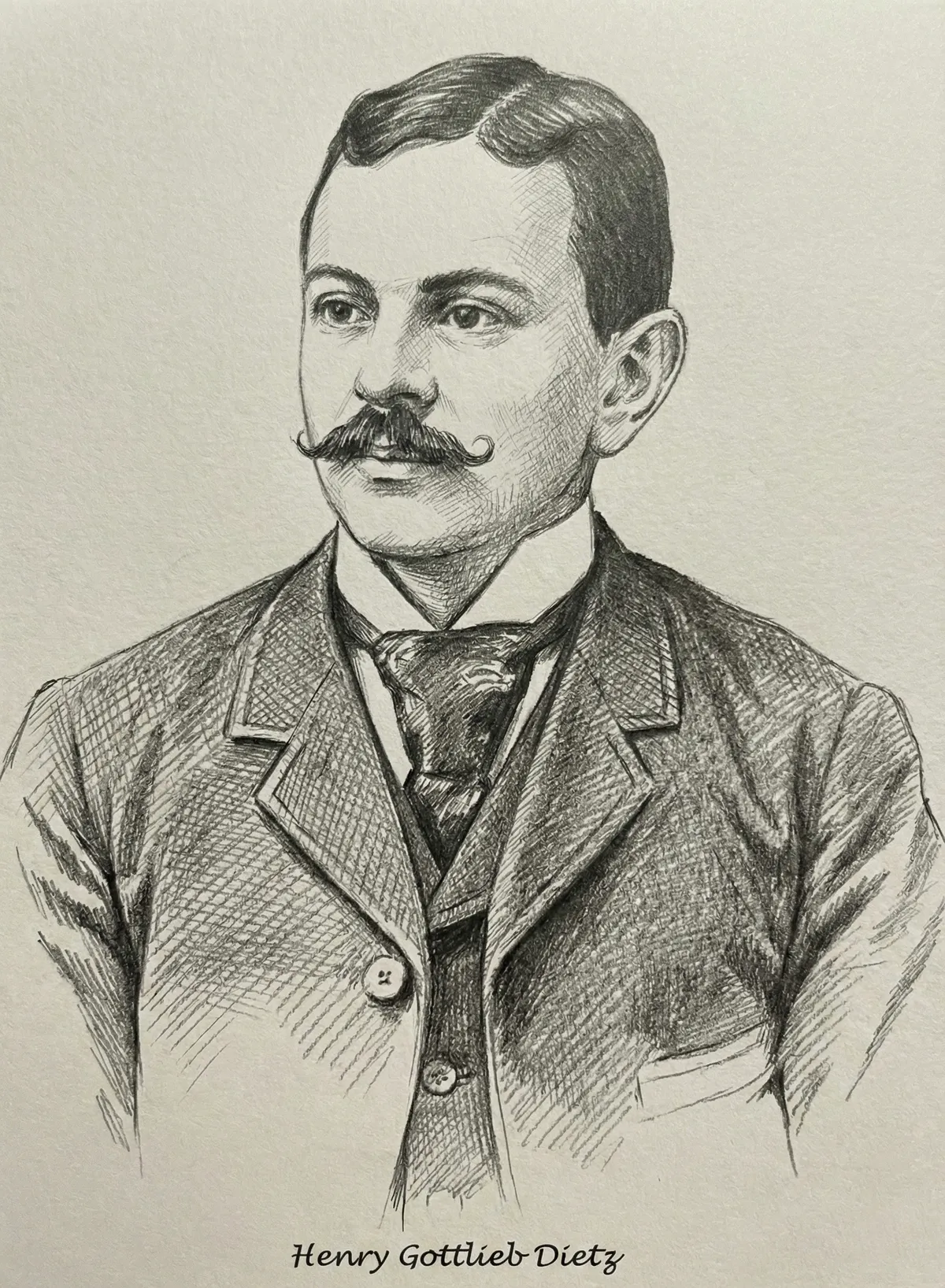
Early 1900s
BIRTH OF THE AIRLOCK
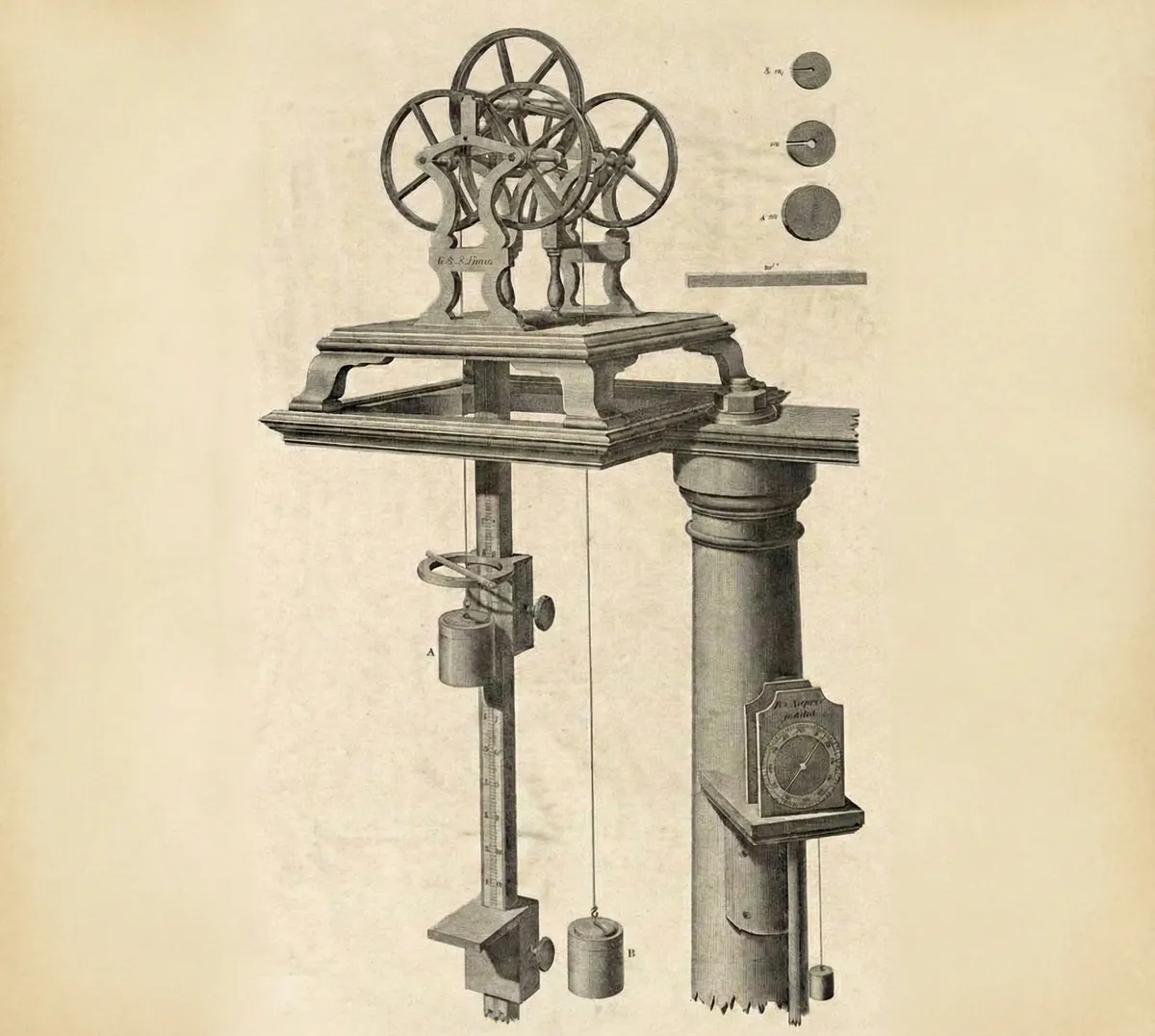
The rise of pneumatic conveying in cement, coal, and chemical industries demanded dust control and pressure isolation. Engineers such as Albert Atwood and Henry G. Dietz pioneered dust-tight rotary valves, transforming feeders into true airlocks.
1950s
INDUSTRIAL STANDARDIZATION
Post-war industrial expansion required reliability and safety. Precision machining enabled tight rotor clearances, and hardened steels improved wear life. Rotary Valves became standard components in bag filters, cyclones, ESPs, and silos.
1980s
ADVANCED SEALING
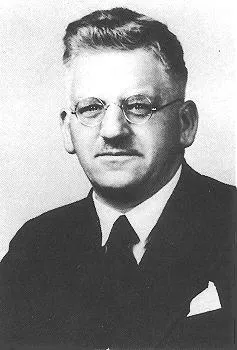
PLC-based control systems, wear-resistant linings, and improved sealing materials emerged. Dr. Karl Meissner (Germany) advanced low-leakage and near-zero leakage rotary sealing concepts, particularly for fine powders.
Today
OSWAR ROTOCORP
The culmination of centuries of rotary engineering. A strategic partnership between Rin Zaibatsu (Japan) and the Oswal Group (India), delivering the RALX series across cement, mining, power, and bulk handling industries worldwide, with 99% sealing efficiency and 10M+ installations globally.
THE NEXT
CHAPTER
Join us as we continue to engineer the future of bulk solids handling.
Start Your Projectof Rotation
1. Scientific Foundations of Rotary Valves Engineering
The rotary valves is governed by two core engineering principles:
- •Pressure Differential Control – enabling the transfer of solids between zones of different pressure while preventing air leakage.
- •Positive Displacement Feeding – delivering a fixed, repeatable volume of material with each rotor revolution.
These principles trace back to Daniel Bernoulli (1738), whose work on fluid pressure and velocity formed the basis of pneumatic conveying, and James Watt (1760s–1790s), whose research on sealed pressure chambers influenced industrial valve and enclosure design.
2. Evolution Across Industrial Eras
1800s – Industrial Revolution
Early gravity-fed and manually driven rotary feeders were developed for grain mills and flour processing. Constructed from cast iron and wood, these devices introduced the idea of continuous, non-clogging material flow.
Early 1900s – Birth of the Airlock
The rise of pneumatic conveying in cement, coal, and chemical industries demanded dust control and pressure isolation. Osborne Reynolds' research on airflow behavior enabled engineers to design sealing systems. Engineers such as Albert Atwood and Henry G. Dietz pioneered dust-tight rotary valves, transforming feeders into true airlocks.
1950s – Industrial Standardization
Post-war industrial expansion required reliability and safety. Precision machining enabled tight rotor clearances, and hardened steels improved wear life. Rotary Valves became standard components in bag filters, cyclones, ESPs, and silos.
1980s – Precision & Automation
PLC-based control systems, wear-resistant linings, and improved sealing materials emerged. Dr. Karl Meissner (Germany) advanced low-leakage and near-zero leakage rotary sealing concepts, particularly for fine powders.
3. Oswar Rotocorp - Where the Heritage Leads
The RALX Platform
Oswar Rotocorp brings together Japanese engineering discipline from Rin Zaibatsu and the deep manufacturing capability of the Oswal Group (India). The result is the RALX series - a standardized, export-ready range of rotary airlock valves built for cement, mining, power, and bulk handling industries.
By the Numbers
With 10 million+ installations globally, 99% sealing efficiency under the Graphite RS Sealing System, and ISO 9001-certified manufacturing across six facilities in Rajasthan, Oswar Rotocorp represents the practical endpoint of centuries of rotary valves development.
The rotary valves was
shaped by centuries
of science.
From Bernoulli's fluid equations to OSWAR's Graphite RS Sealing System - every revolution carries the weight of history.
