

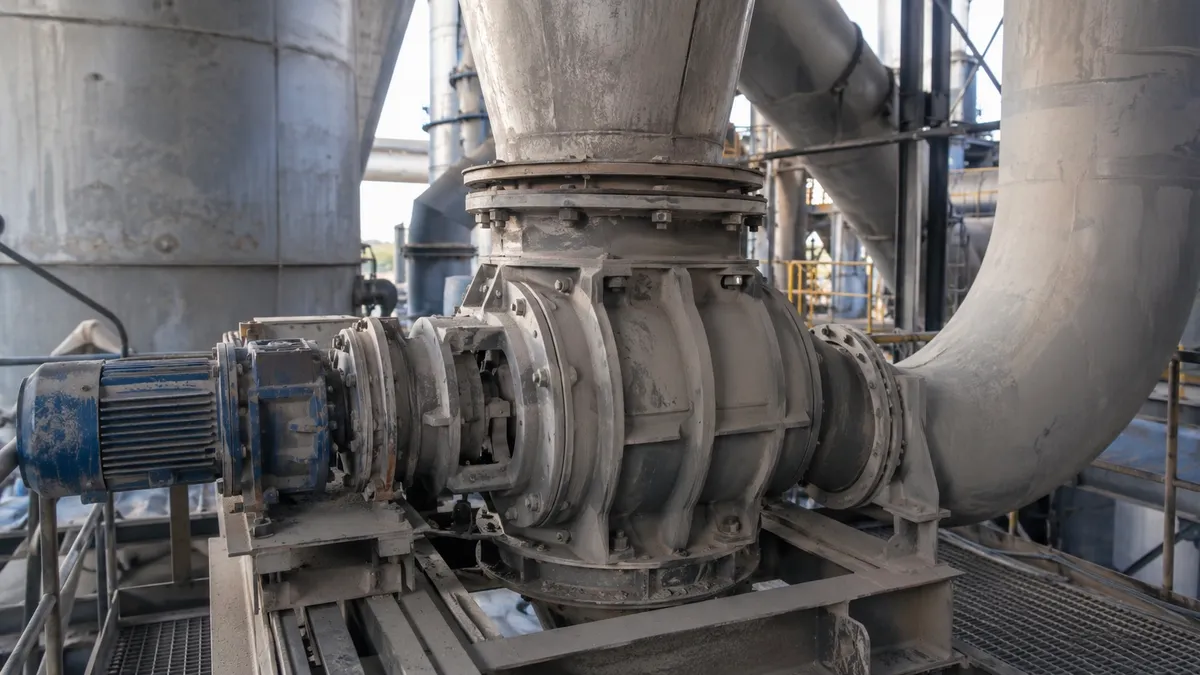
In cement manufacturing, every piece of equipment plays a critical role in maintaining smooth operations. Among these, the rotary valve for cement plant operations stands out as a silent workhorse that can make or break your production efficiency. Think of it as the gatekeeper of your material flow – when it works well, materials move smoothly through your system. When it doesn't, you face costly downtime, material waste, and production headaches.
Choosing the wrong cement plant rotary valve is like trying to fit a square peg in a round hole. You might force it to work temporarily, but eventually, problems will surface. The right valve, however, ensures consistent material feeding, prevents air leakage in pneumatic conveying systems, and handles the harsh conditions of cement production without breaking a sweat. Whether you're dealing with hot clinker, fine cement powder, or raw materials, your choice of industrial rotary valve directly impacts your plant's productivity, energy consumption, and maintenance costs.
Understanding Rotary Valves in Cement Manufacturing
What Exactly Is a Rotary Valve?
A rotary airlock valve is essentially a revolving door for bulk materials. Picture a cylinder with vanes (like paddle wheels) that rotate inside a housing. As these vanes turn, they create pockets that fill with material at the top and discharge it at the bottom, all while maintaining an air seal between different pressure zones.
In cement plants, these valves serve multiple purposes:
- Feeding materials at controlled rates
- Acting as airlocks between different pressure areas
- Preventing dust from escaping
- Maintaining system efficiency in dust handling systems
Why Cement Plants Need Specialized Rotary Valves
Cement manufacturing isn't your average industrial process. The materials are abrasive, temperatures can soar, and dust is everywhere. Standard valves simply can't handle these extreme conditions. That's why cement manufacturing equipment requires specially designed rotary valves built to withstand:
- High temperatures (up to 400°C for clinker handling)
- Abrasive materials that wear down regular components
- Fine powders that can leak through tiny gaps
- Continuous 24/7 operation demands
Types of Rotary Valves for Cement Plants
Standard Drop-Through Valves
These basic rotary feeder valve designs work well for free-flowing materials at moderate temperatures. They're your go-to choice for:
- Raw meal feeding
- Finished cement handling
- Additive dosing systems
Blow-Through Valves
When you need to introduce material into a pneumatic conveying system, blow-through valves are your best bet. They feature:
- Side entry for material
- Bottom discharge into the conveying line
- Special rotor designs to handle air pressure
High-Temperature Rotary Valves
For handling hot clinker or materials from preheater systems, high-temperature rotary valve options include:
- Special sealing arrangements
- Heat-resistant materials
- Cooling jackets or thermal barriers
Heavy-Duty Industrial Valves
When dealing with coarse materials or high throughput requirements, heavy-duty industrial rotary valve models offer:
- Reinforced rotors
- Wear-resistant linings
- Larger clearances for chunky materials
Key Selection Criteria for Your Cement Plant
Material Characteristics
Material Type | Valve Requirements | Special Considerations |
Raw Meal | Standard construction, tight clearances | Dust sealing important |
Cement Powder | Fine clearances, good sealing | Air purge may be needed |
Clinker | High-temperature design, wear protection | Cooling features essential |
Coal/Petcoke | Explosion-proof design | ATEX certification required |
Limestone | Abrasion-resistant lining | Larger clearances for chunks |
Operating Conditions
Temperature Requirements:
- Room temperature: Standard cast iron construction
- Up to 200°C: Special seals and clearances
- Above 200°C: High-temperature designs with cooling
Pressure Differentials:
- Low pressure (< 0.5 bar): Standard sealing
- Medium pressure (0.5-1 bar): Enhanced sealing packages
- High pressure (> 1 bar): Special airlock designs
Throughput Calculations
To select the right size airlock rotary valve, consider:
- Required feed rate (tons per hour)
- Material bulk density
- Rotor speed capabilities
- Fill efficiency (typically 70-80%)
Simple Formula:
Valve Size = (Required Flow Rate) ÷ (Bulk Density × Rotor Speed × Fill Factor)
Common Mistakes to Avoid When Selecting Rotary Valves
1. Ignoring Temperature Ratings
Many plant managers select valves based on room temperature specs, forgetting that cement processes generate significant heat. This leads to:
- Seized rotors
- Damaged seals
- Unexpected downtime
2. Underestimating Wear Factors
Cement materials are incredibly abrasive. Choosing standard materials instead of wear-resistant options results in:
- Frequent replacements
- Increased clearances and leakage
- Higher maintenance costs
3. Oversizing "Just to Be Safe"
While it seems logical, oversizing your bulk material handling equipment causes:
- Higher initial costs
- Increased power consumption
- Poor material flow at lower capacities
4. Neglecting Pressure Conditions
Failing to account for system pressure differences can cause:
- Air leakage
- Reduced conveying efficiency
- Material blowback
Signs Your Rotary Valve Needs Replacement
Watch for these warning signs that indicate your cement plant rotary valve is due for replacement.
Performance Indicators
- Declining feed rates: Material flow becomes inconsistent
- Increased air leakage: Higher pressure drops across the valve
- Power consumption spike: Motor works harder to turn worn components
- Unusual noises: Grinding, squealing, or knocking sounds
Physical Symptoms
- Visible material leakage around shaft seals
- Excessive play in rotor bearings
- Worn rotor vanes with rounded edges
- Housing bore showing wear grooves
Operational Issues
- Frequent jamming or stalling
- Inability to maintain pressure differentials
- Contamination between material streams
Maintenance Best Practices
Daily Checks
- Listen for unusual sounds
- Check for external leaks
- Monitor motor current
- Verify feed rates
Weekly Maintenance
Task | Purpose | Time Required |
Grease bearings | Prevent wear | 10 minutes |
Check chain tension | Ensure proper drive | 5 minutes |
Inspect shaft seals | Detect early leaks | 10 minutes |
Clean vents | Prevent overheating | 5 minutes |
Monthly Inspections
- Measure rotor-to-housing clearances
- Check rotor vane condition
- Inspect internal surfaces for wear
- Test safety switches and sensors
Annual Overhauls
- Replace worn seals and gaskets
- Recondition or replace rotor
- Check and adjust all clearances
- Update maintenance records
Advanced Selection Considerations
Integration with Existing Systems
Your new rotary valve for cement plant must work seamlessly with:
- Pneumatic conveying systems
- Process control systems
- Safety interlocks
- Material level controls
Future-Proofing Your Selection
Consider these factors for long-term success:
- Capacity for production increases
- Compatibility with automation upgrades
- Availability of spare parts
- Local service support
Special Features Worth Considering
For Fine Powders:
- Air purge connections
- Special rotor pocket designs
- Enhanced sealing systems
For Abrasive Materials:
- Replaceable wear liners
- Hardened rotor vanes
- Adjustable-clearance designs
For High-Temperature Applications:
- Thermal expansion compensation
- Cooling arrangements
- Temperature monitoring points
Cost-Benefit Analysis
Initial Investment vs. Lifecycle Costs
Factor | Standard Valve | Premium Valve | Impact |
Purchase Price | ₹1.5-4 Lakh | ₹5-12 Lakh | One-time |
Energy Use | Higher | 20-30% less | Ongoing |
Maintenance | Every 6 months | Every 12-18 months | Recurring |
Downtime | 24-48 hrs/year | 8-12 hrs/year | Production loss |
Lifespan | 3-5 years | 7-10 years | Replacement cycle |
ROI Calculations
When evaluating material feeding solutions, consider:
- Energy savings from efficient operation
- Reduced maintenance labor
- Decreased replacement frequency
- Improved production uptime
Environmental and Safety Considerations
Dust Control
Proper dust handling systems with well-sealed rotary valves:
- Protect worker health
- Meet environmental regulations
- Reduce material waste
- Improve plant cleanliness
Explosion Prevention
For combustible materials like coal:
- ATEX-certified designs
- Explosion-proof motors
- Proper grounding systems
- Pressure relief options
Frequently Asked Questions
Q1: How often should I replace the rotor in my cement plant rotary valve?
A: Rotor replacement depends on material abrasiveness and operating hours. For cement powder, expect 3-5 years. For clinker handling, it might be 1-2 years. Regular clearance checks help predict replacement timing.
Q2: Can I use the same rotary valve for different materials in my plant?
A: While possible, it's not ideal. Each material has unique properties. A valve optimized for fine cement won't perform well with coarse limestone. Consider dedicated valves for best results.
Q3: What's the difference between an airlock valve and a feeder valve?
A: An airlock rotary valve primarily maintains pressure separation while allowing material flow. A rotary feeder valve focuses on metering material at controlled rates. Many valves serve both functions.
Q4: How do I calculate the right size rotary valve for my application?
A: Multiply your required tons per hour by 2000 (pounds per ton), then divide by material bulk density and valve displacement per revolution. Add 20-30% safety factor.
Q5: Why does my rotary valve keep jamming with the clinker?
A: Hot clinkers can cause thermal expansion and jamming. Ensure you're using a high-temperature rotary valve with proper clearances and cooling features designed for your operating temperature.
Q6: What clearance should I maintain between rotor and housing?
A: For cement powder, maintain 0.005-0.010 inches. For coarser materials, use 0.010-0.020 inches. High-temperature applications need larger clearances to accommodate thermal expansion.
Q7: How can I reduce air leakage in my pneumatic conveying system?
A: Check rotor-to-housing clearances, replace worn seals, ensure proper rotor timing, and consider air purge systems for fine powders. Regular rotary valve maintenance is crucial.
Q8: Should I buy from local suppliers or international manufacturers?
A: Consider both options. A reliable rotary valve supplier should offer: quality products, local service support, spare parts availability, and technical expertise. Balance cost with long-term support.
Q9: What safety features should I look for in cement plant rotary valves?
A: Essential safety features include: shear pin protection, zero-speed switches, bearing temperature monitors, and ATEX certification for explosive materials. Don't compromise on safety.
Q10: How do I troubleshoot decreasing feed rates in my rotary valve?
A: Check for rotor wear, verify drive system operation, inspect for material buildup, measure clearances, and ensure upstream equipment supplies consistent material flow. Document findings for trend analysis.
Making Your Rotary Valve Investment Count
The journey to selecting the perfect rotary valve for cement plant operations doesn't end with the purchase order. Your choice ripples through every aspect of plant performance – from energy consumption and maintenance schedules to product quality and profitability. Smart plant managers understand that investing in quality bulk material handling equipment pays dividends through reduced downtime, lower operating costs, and consistent production output.
When you're ready to upgrade your cement plant's material handling capabilities, partnering with experienced manufacturers makes all the difference. Oswar Rotocorp has been helping cement plants worldwide optimize their operations with reliable rotary valve solutions designed specifically for the challenges of cement manufacturing. Their team understands that each plant has unique requirements and provides tailored solutions that deliver long-term value.
Ready to revolutionize your cement plant's efficiency? Contact our rotary valve experts today for a personalized consultation and discover how the right equipment can transform your operations. Call now or visit our website to schedule your free plant assessment.
