

Have you ever seen production stop because of a small equipment failure? If you work in a cement plant, food factory, or chemical industry, you know how one broken part can cost thousands of rupees per hour. That's why choosing the right rotary feeder manufacturers in India is more important than you might think.
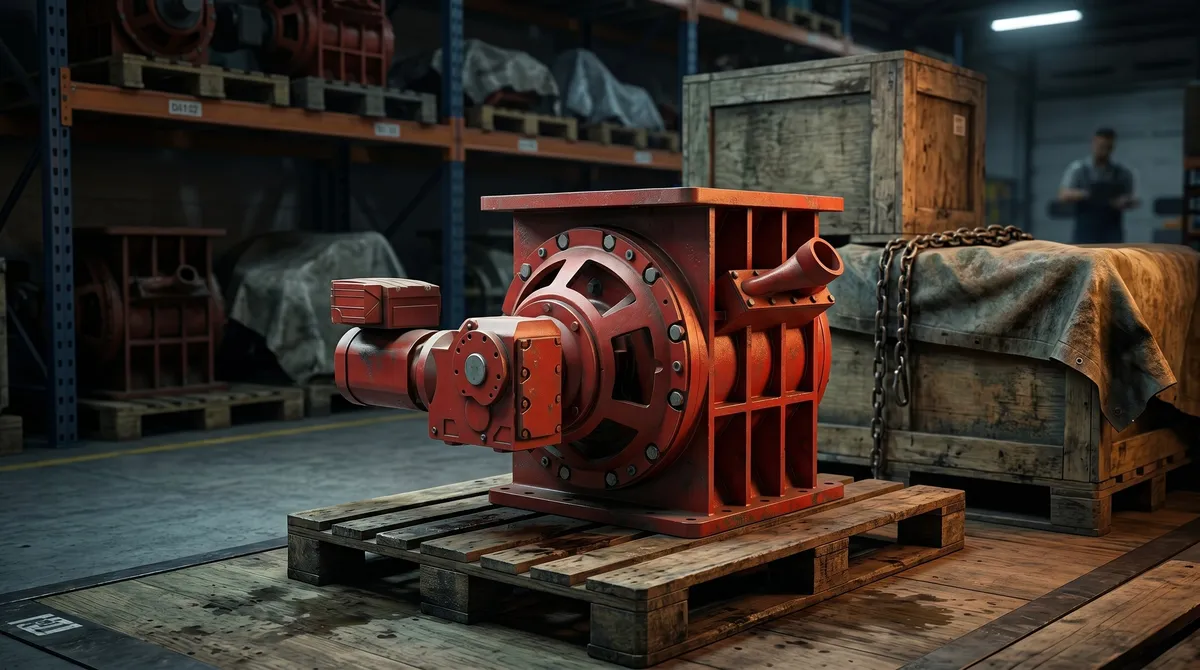
A rotary feeder (also called an airlock valve) might look simple from outside. But this small machine plays a huge role in keeping your materials flowing smoothly. Whether you're handling cement powder, food grains, chemicals, or plastic pellets, the wrong rotary feeder can cause blockages, leaks, and costly downtime.
Smart plant managers and engineers know that not all rotary airlock valve manufacturers are the same. Some make cheap products that break quickly. Others charge too much for basic features. The best manufacturers understand your industry needs and provide reliable solutions that last for years.
In this guide, we'll show you exactly what to look for when choosing an industrial rotary feeder supplier. You'll learn about quality checks, pricing factors, common mistakes to avoid, and how to pick the perfect rotary feeder for your specific industry needs.
Why Your Choice of Rotary Feeder Manufacturer Matters
Let's be honest - a rotary feeder is not the most exciting equipment in your plant. But here's what happens when you pick the wrong manufacturer:
- Production stops when the feeder jams
- Material leaks damage other equipment
- Frequent repairs eat into your profits
- Poor sealing causes contamination
- Wrong sizing reduces efficiency
The right rotary valve supplier in India helps you avoid these problems. They understand that every industry has different needs. A rotary feeder for a cement plant must handle abrasive materials. A rotary feeder for the food industry needs special coatings for hygiene.
Key Features to Check in Industrial Rotary Feeders
Build Quality and Materials
Good industrial material handling equipment starts with strong construction. Here's what to check:
Body Material:
- Cast iron for general use
- Stainless steel for food and pharma
- Special alloys for chemicals
Rotor Design:
- Number of vanes (6, 8, or 10)
- Adjustable or fixed tips
- Surface treatment options
Sealing System:
- Air purge connections
- Packing gland quality
- Temperature ratings
Size and Capacity Options
Different industries need different sizes. Professional manufacturers offer:
Size Range | Flow Rate | Common Uses |
150-200mm | 5-15 m³/hr | Small batching systems |
250-300mm | 20-40 m³/hr | Medium production lines |
350-450mm | 50-100 m³/hr | Large cement plants |
500mm+ | 100+ m³/hr | Heavy bulk handling |
Industry-Specific Requirements
Cement Industry Needs
Cement plants need heavy duty rotary feeder systems because:
- Materials are highly abrasive
- Operating temperatures are high
- Continuous operation is critical
- Dust control is essential
Look for manufacturers who offer hardened rotors and wear-resistant coatings.
Food Processing Standards
Food safety comes first. Your airlock rotary feeder must have:
- FDA-approved materials
- Smooth surfaces (no cracks)
- Easy cleaning design
- Sanitary connections
Pharmaceutical Requirements
Pharma plants need even stricter standards:
- GMP compliance certificates
- Mirror-polished surfaces
- Zero contamination design
- Validation documents
Chemical Industry Challenges
Chemical plants face unique problems:
- Corrosive materials
- Explosive atmospheres
- Temperature extremes
- Special sealing needs
Common Mistakes Buyers Make
1. Choosing Only by Price
Cheap feeders cost more in the long run. Calculate total ownership cost including:
- Purchase price
- Installation cost
- Maintenance expenses
- Downtime losses
2. Wrong Size Selection
Oversized feeders waste money. Undersized ones cause blockages. Share your exact flow rates with manufacturers.
3. Ignoring Local Support
Imported feeders might seem attractive. But what happens when you need spare parts urgently? Choose manufacturers with local service teams.
4. Skipping Factory Visits
Pictures lie. Visit the manufacturer's facility. Check their:
- Manufacturing processes
- Quality control systems
- Testing procedures
- Stock of spare parts
Quality Standards to Verify
Professional best rotary feeder company options follow these standards:
Manufacturing Standards:
- ISO 9001:2015 certification
- CE marking for exports
- ATEX certification for explosive areas
Testing Procedures:
- Pressure testing reports
- Leakage test certificates
- Material test certificates
Documentation:
- Operation manuals
- Spare parts lists
- Warranty terms
- Installation guides
Maintenance Tips for Long Life
Even the best rotary feeder needs care. Follow these tips:
Daily Checks:
- Listen for unusual sounds
- Check for material leaks
- Monitor motor temperature
Weekly Maintenance:
- Grease bearings properly
- Check chain tension
- Clean air vents
Monthly Tasks:
- Inspect rotor clearance
- Check seal conditions
- Tighten all bolts
Annual Overhaul:
- Replace worn parts
- Recalibrate clearances
- Update lubrication
Pricing Factors Explained
Understanding pricing helps you negotiate better:
Base Price Depends On:
- Size - Larger = more expensive
- Material - SS costs more than CI
- Features - Special coatings add cost
- Quantity - Bulk orders get discounts
Additional Costs Include:
- Transportation charges
- Installation support
- Spare parts package
- Extended warranty
Price Comparison Table:
Type | Price Range | Best For |
Standard CI | ₹50,000-₹2,00,000 | General use |
SS Food Grade | ₹1,50,000-₹5,00,000 | Food/Pharma |
Heavy Duty | ₹2,00,000-₹8,00,000 | Cement/Mining |
How to Select the Right Manufacturer
Step 1: List Your Requirements
- Material type
- Flow rate needed
- Operating temperature
- Industry standards
Step 2: Research Manufacturers
- Check online reviews
- Ask for references
- Verify certifications
- Compare product ranges
Step 3: Request Quotations
- Provide detailed specifications
- Ask about lead times
- Clarify warranty terms
- Discuss payment options
Step 4: Evaluate Proposals
- Compare features, not just price
- Check included accessories
- Verify after-sales support
- Calculate total cost
Red Flags to Avoid
Watch out for manufacturers who:
- ❌ Can't provide test certificates
- ❌ Have no proper factory setup
- ❌ Offer unrealistic low prices
- ❌ Lack technical knowledge
- ❌ Don't give proper warranty
Green Flags to Look For
Choose manufacturers who:
- ✅ Have proven industry experience
- ✅ Offer factory visits
- ✅ Provide detailed documentation
- ✅ Maintain spare parts stock
- ✅ Give realistic delivery times
Frequently Asked Questions
1. What is the typical delivery time for rotary feeders in India?
Standard models take 4-6 weeks. Custom designs need 8-12 weeks. Oswar Rotocorp maintains stock of popular sizes for faster delivery.
2. How much does a rotary feeder cost in India?
Basic models start from ₹50,000. Industrial-grade feeders range from ₹1,50,000 to ₹5,00,000 depending on size and features.
3. Which rotary feeder is best for cement plants?
Heavy-duty cast iron feeders with hardened rotors work best. Look for minimum 8-vane design with replaceable tips for cement applications.
4. Can rotary feeders handle hot materials?
Yes, with proper design. High-temperature feeders can handle up to 300°C. Special seals and cooling arrangements are needed.
5. What's the difference between rotary feeder and rotary valve?
They're the same equipment. "Rotary feeder" emphasizes the feeding function, while "rotary valve" highlights the airlock feature.
6. How long do rotary feeders typically last?
With proper maintenance, quality feeders last 10-15 years. Oswar Rotocorp's heavy-duty models often exceed 20 years in service.
7. Do I need spare rotors?
Yes, keeping one spare rotor prevents long downtime. Most manufacturers recommend ordering spares with the main unit.
8. What's the maintenance frequency for rotary feeders?
Daily visual checks, weekly greasing, monthly clearance checks, and annual overhauls keep feeders running smoothly.
9. Can one manufacturer supply different industry grades?
Yes, established manufacturers like Oswar Rotocorp offer food-grade, pharma-grade, and industrial-grade feeders from one source.
10. How do I calculate the right size rotary feeder?
Share your material type, bulk density, and required flow rate (tons/hour) with manufacturers. They'll recommend the correct size.
Choose the Right Rotary Feeder Manufacturer for Long-Term Performance
Choosing the right rotary feeder manufacturers in India doesn't have to be complicated. Focus on your specific needs, verify quality standards, and pick a supplier who understands your industry.
Remember, the cheapest option rarely gives the best value. A quality rotary feeder from a trusted manufacturer pays for itself through years of reliable service.
Leading manufacturers like Oswar Rotocorp have spent decades perfecting their designs for Indian industries. They understand local challenges and provide solutions that actually work in real conditions.
Ready to upgrade your material handling system? Contact experienced manufacturers who can guide you to the perfect rotary feeder solution. Your production line deserves equipment that keeps running smoothly, year after year.
Get expert advice on choosing the right rotary feeder for your industry. Contact us today for a free consultation and quotation.
