

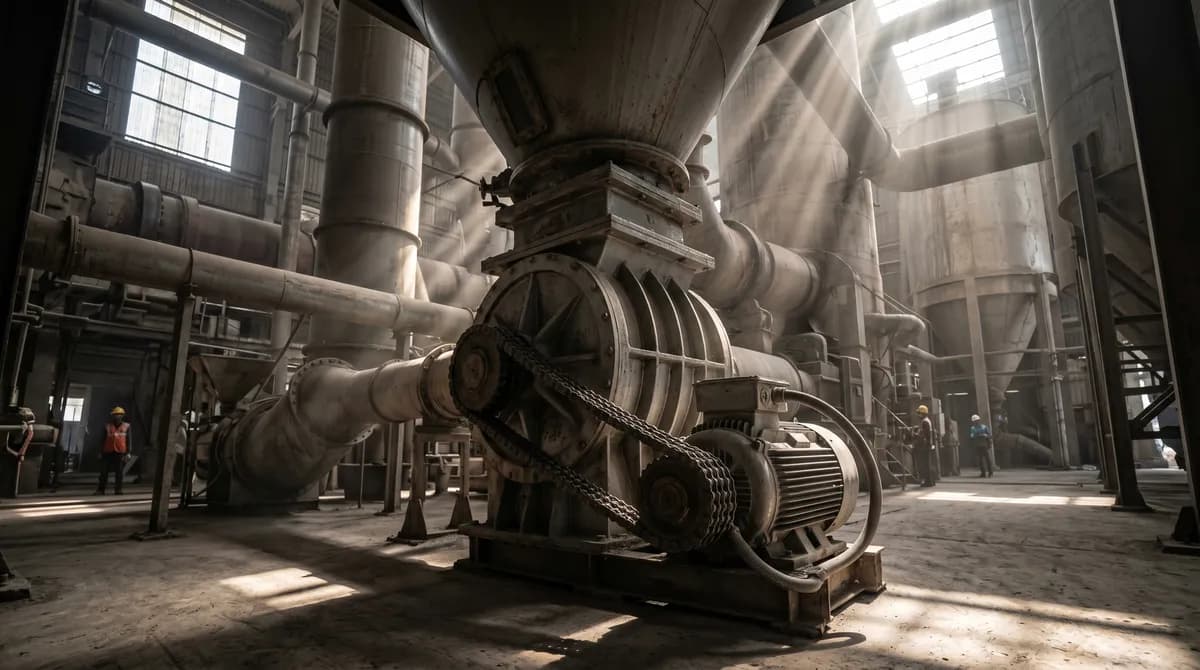
A rotary airlock valve may look like a small part in a large industrial system, but its role is extremely important. It helps transfer powder, granules, and other bulk materials from one process point to another while controlling unwanted air movement inside the system. This is one of the main reasons why rotary airlock valves are widely used in industries such as cement, food processing, chemicals, pharmaceuticals, power plants, and bulk material handling.
When a rotary airlock valve operates properly, the entire production line performs more efficiently. Material flow remains stable, dust generation stays under control, and pressure balance inside the system is maintained. However, when maintenance is ignored, even a small valve problem can affect production quality and process stability. Air leakage, rotor wear, material jamming, bearing damage, and reduced feeding efficiency can quickly increase downtime and repair costs.
The good news is that proper rotary valve maintenance does not always require complicated procedures. Regular inspection, correct lubrication, timely cleaning, and preventive servicing can significantly improve the life and performance of your industrial rotary airlock valve. In this guide, you will learn practical maintenance tips that plant managers, maintenance engineers, production teams, procurement heads, and factory owners can apply in real industrial conditions.
Common Rotary Airlock Valve Problems You Need to Watch Out For
Understanding common operational problems is the first step toward preventing unexpected shutdowns and expensive repairs. Most rotary valve failures begin with small issues that are ignored for too long.
1. Material Buildup and Jamming
Sticky, moist, or compact materials can collect inside the valve housing and around the rotor pockets. Over time, this buildup increases resistance and affects smooth rotor movement. In industries like food processing, sugar handling, and chemical manufacturing, material jamming is one of the most common maintenance concerns.
2. Excessive Wear on Rotor Tips
Rotor blades continuously rotate close to the valve housing, which naturally creates wear over time. In abrasive applications such as cement, fly ash, silica, or mineral powder handling, rotor tip wear happens much faster and can eventually increase internal leakage.
3. Air Leakage Issues
A rotary airlock valve is designed to control airflow between two sections of a process system. If sealing components become weak or clearances increase, air leakage starts affecting system efficiency. This can reduce conveying performance and create contamination risks in sensitive industries like pharmaceuticals and food processing.
4. Bearing Failures
Bearings support continuous rotor movement during operation. Dust contamination, poor lubrication, overheating, or excessive load can damage bearings and create vibration or shaft imbalance. If not detected early, bearing failure can damage the rotor and housing assembly.
5. Drive System Problems
Chain drives, gear drives, belt drives, and motor systems also require regular inspection. Loose connections, improper alignment, or worn drive components can reduce valve efficiency and create operational instability.
Your Daily Maintenance Checklist for Rotary Airlock Valves
Daily maintenance checks may seem small, but they help identify early warning signs before major failures occur. In most industrial plants, these inspections take only a few minutes and can prevent expensive downtime later.
Visual Inspection Points
Check for unusual vibration or operating noise
Inspect shaft seals for material leakage
Examine drive components for looseness or wear
Monitor motor temperature during operation
Ensure smooth rotor rotation without resistance
Look for dust buildup around the valve housing
Quick Performance Checks
Confirm stable material flow rate
Check system differential pressure readings
Ensure no unwanted air bypass is occurring
Monitor power consumption for sudden increases
Verify the valve is feeding material evenly
Regular monitoring helps operators identify developing issues before production performance is affected.
Essential Lubrication Tips for Long-Lasting Performance
Lubrication plays a major role in extending the operational life of a heavy duty rotary airlock valve. Proper lubrication reduces friction, controls heat generation, protects bearings, and minimizes wear on rotating components.
Bearing Lubrication Schedule
Component | Lubrication Frequency | Grease Type | Amount |
Main Bearings | Every 500 hours | High-temp bearing grease | 2-3 pumps |
Shaft Seals | Every 1000 hours | Food-grade grease (if applicable) | 1-2 pumps |
Drive Chain | Weekly | Chain lubricant | Light coating |
Gearbox | Every 3000 hours | Gear oil (per manufacturer spec) | Check level |
Important Lubrication Tip
Over-lubrication can create as many problems as insufficient lubrication. Excess grease may increase seal pressure, attract dust particles, and create contamination around moving parts. Always follow the lubrication quantity recommended by the manufacturer.
How to Check and Adjust Rotor Clearance
Rotor clearance directly affects valve efficiency, air sealing performance, and wear life. Excessive clearance increases air leakage, while very tight clearance may create rotor contact and damage.
Step-by-Step Clearance Inspection
Shut down the system and follow lockout safety procedures
Open inspection covers carefully
Rotate the rotor manually for inspection
Use feeler gauges to measure clearance at multiple points
Compare measurements with manufacturer specifications
Adjust clearance using shims or machining if required
Typical Clearance Values
Standard applications: 0.003" - 0.008"
High-temperature applications: 0.010" - 0.015"
Abrasive applications: Lower initial clearance may be preferred
Routine clearance inspection improves efficiency and reduces long-term wear problems.
Sealing System Inspection and Maintenance
The sealing system prevents unwanted air leakage and protects the process environment from dust contamination. A damaged sealing arrangement can quickly reduce the efficiency of the entire conveying system.
What to Check
Packing gland condition and compression
Mechanical seal wear or scoring
Air purge line blockage
Seal face damage or pitting
Dust accumulation around sealing areas
Maintenance Best Practices
Replace packing material at regular intervals
Use sealing material suitable for your process application
Avoid excessive gland tightening
Maintain correct air purge pressure levels
Keep sealing areas clean during servicing
Proper seal maintenance helps maintain better pressure control and improves operational reliability.
Bearing Maintenance: The Key to Smooth Operation
Bearings directly affect the smooth rotation and operational stability of a rotary airlock valve. Poor bearing condition can increase vibration, power consumption, and internal wear.
Monthly Bearing Checks
Listen for grinding or abnormal sounds
Inspect for excessive vibration
Check shaft movement or imbalance
Monitor operating temperature
Inspect grease leakage around seals
Signs of Bearing Problems
Temperature above 180°F (82°C)
Increased vibration levels
Grease discoloration
Metallic particles in lubricant
Rising motor load or power usage
Ignoring early bearing warning signs can eventually damage other internal valve components.
Cleaning Methods for Different Industries
Different industries require different cleaning approaches because material behavior changes from application to application.
Food and Pharmaceutical Applications
Industries handling food-grade or pharmaceutical products require strict cleaning standards to maintain hygiene and product purity.
Use FDA-approved cleaning chemicals
Follow Clean-In-Place (CIP) procedures where possible
Schedule manual cleaning during product changeovers
Maintain proper cleaning records for compliance
Heavy Industrial Applications
Cement plants, fly ash handling systems, and mineral processing industries usually deal with abrasive and dusty materials.
Use compressed air for dry cleaning
Remove heavy dust accumulation regularly
Perform washdowns where sticky buildup occurs
Apply protective coatings after major cleaning work
Regular cleaning improves valve efficiency and reduces long-term wear.
Troubleshooting Guide: Quick Fixes for Common Problems
Quick troubleshooting helps maintenance teams reduce downtime and prevent small issues from becoming major failures.
Problem | Possible Cause | Quick Fix |
Valve won't rotate | Material jam, seized bearing | Clear blockage, check lubrication |
Excessive noise | Worn bearings, loose components | Tighten connections, replace bearings |
Air leakage | Worn rotor tips, bad seals | Adjust clearance, replace seals |
Reduced flow rate | Partial blockage, worn rotor | Clean valve, check clearances |
Overheating | Over-lubrication, misalignment | Check grease amount, realign |
Warning Signs Your Rotary Valve Needs Professional Repair
Certain warning signs indicate that basic maintenance may no longer be enough. Ignoring these symptoms can result in major equipment failure.
Signs You Should Not Ignore
Sudden increase in power consumption
Visible rotor-to-housing gaps
Continuous air leakage after seal replacement
Heavy vibration during operation
Metal-to-metal contact noise
Frequent bearing failures
Excessive rotor wear within short intervals
Professional inspection at the right time can prevent expensive production shutdowns.
Common Mistakes That Drastically Reduce Valve Life
Many rotary valve failures happen because of preventable operating mistakes. Avoiding these common issues can significantly improve valve life.
1. Running the Valve Above Recommended Speed
Operating beyond recommended RPM increases wear on bearings, seals, and rotor components.
2. Ignoring Temperature Conditions
High process temperatures can affect rotor clearance, lubrication quality, and seal life.
3. Using Incorrect Replacement Parts
Low-quality or incorrect spare parts may reduce performance and create repeated maintenance problems.
4. Delaying Small Repairs
Minor leakage or vibration issues often become larger mechanical failures if ignored for too long.
5. Lack of Operator Training
Operators who are not properly trained may overlook important warning signs during daily operation.
How Proper Maintenance Boosts Efficiency and Reduces Downtime
A properly maintained rotary airlock valve improves not only equipment life but also overall plant efficiency.
Performance Benefits of Proper Maintenance
Well-maintained valves operate at higher efficiency levels
Proper sealing improves pneumatic conveying performance
Preventive maintenance reduces emergency repair costs
Stable rotor operation minimizes production interruption
Regular servicing extends equipment lifespan significantly
Real Industrial Example
A cement plant implemented a scheduled preventive maintenance program for its rotary feeder valve systems and reduced unplanned downtime by nearly 75%. Regular inspection and timely component replacement also helped reduce annual repair expenses and improve conveying stability.
Your Complete Maintenance Schedule at a Glance
Maintenance Task | Daily | Weekly | Monthly | Quarterly | Annually |
Visual inspection | ✓ | ||||
Noise and vibration check | ✓ | ||||
Lubrication | ✓ | ||||
Clearance check | ✓ | ||||
Seal inspection | ✓ | ||||
Bearing analysis | ✓ | ||||
Complete overhaul | ✓ |
Frequently Asked Questions
Q1: How long should a rotary airlock valve last with proper maintenance?
With regular maintenance, a high-quality industrial rotary airlock valve can last 10-15 years or more depending on operating conditions and material type.
Q2: What causes air leakage in rotary valves?
Air leakage usually happens because of worn rotor tips, damaged seals, or excessive rotor clearance.
Q3: How often should the rotor be replaced?
Rotor replacement depends on application severity. Abrasive applications may require faster replacement compared to standard material handling systems.
Q4: Can any grease be used for lubrication?
No. Always use the lubricant recommended by the rotary airlock valve manufacturer for your specific application.
Q5: What is the ideal rotor speed?
Rotor speed depends on material type, flow rate, and application requirements. Excessive speed may increase wear.
Q6: How can I identify incorrect valve sizing?
Frequent blockage, unstable feeding, or excessive leakage may indicate incorrect valve sizing.
Q7: What is the difference between preventive and predictive maintenance?
Preventive maintenance follows scheduled servicing, while predictive maintenance uses performance monitoring and condition analysis.
Q8: Can rotary valves handle sticky materials?
Yes, but sticky materials may require larger clearances, special coatings, or customized rotor designs.
Q9: How much downtime is required for maintenance?
Routine inspections require minimal downtime, while annual overhauls may require several hours depending on valve size and condition.
Q10: Which spare parts should be kept in stock?
Common spare parts include bearings, seals, drive components, packing material, and rotor assemblies.
Maximizing Your Rotary Valve Investment Through Smart Maintenance
Maintaining a rotary airlock valve properly is not only about avoiding equipment failure. It is also about improving plant reliability, reducing downtime, and maximizing long-term operational efficiency.
A structured maintenance routine helps improve material flow, maintain air sealing performance, reduce wear, and extend equipment life. Whether your application involves cement powder, fly ash, food ingredients, chemicals, or pharmaceutical materials, regular maintenance remains one of the most important factors for reliable operation.
For industries looking to improve rotary valve performance and long-term reliability, working with an experienced rotary airlock valve manufacturer in India is equally important. Oswar Rotocorp provides durable and efficient rotary valves designed for demanding industrial applications across India.
If you are planning to improve maintenance performance or upgrade your existing rotary valve systems, our technical team can help you choose the right solution for your application requirements.
