

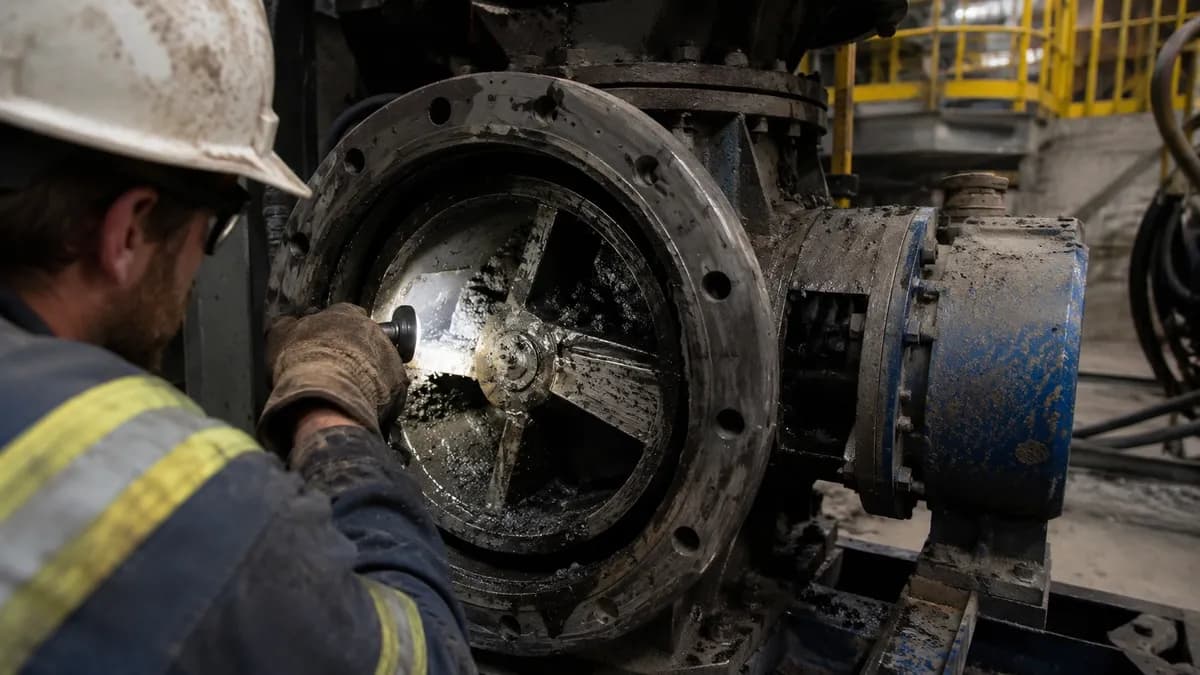
Mining plants run hard, day and night. Dust, rocks, and heavy powders move through machines all the time. In the middle of all this sits a small but very important part: the Rotary Valve. When it works well, nobody notices. When it breaks, everything can slow down.
Rotary Valve Failure in Mining Industry is a bigger problem than most people think. A failed valve can stop production, cause safety risks, and pile up repair bills. This blog explains why these valves fail, how to spot trouble early, and what you can do to keep them running longer.
What a Rotary Valve Actually Does
A Rotary Airlock Valve works like a spinning door. It lets material drop through while keeping air pressure sealed. In a pneumatic conveying system, this seal matters a lot. If air leaks, your whole system loses power.
You'll find the mining industry rotary valve used in:
- Coal handling systems
- Ore handling systems
- Mineral processing equipment
- Cement and powder handling systems
Because it handles rough, sharp, and heavy materials, it wears out faster than gentle-duty valves.
Most Common Causes of Rotary Valve Failure
1. Rotor Wear from Abrasive Materials
Abrasive material handling is the number one killer. Sharp ore and gritty coal grind away at the rotor blades over time. This creates gaps, and gaps mean material leakage and lost pressure.
2. Seal Failure
Seal failure lets fine dust escape or air sneak in. Once seals go bad, efficiency drops fast and dust can spread into work areas.
3. Poor Material Handling Setup
Feeding too much material at once jams the rotor. Overload stresses the motor and bearings.
4. Bad Bearing and Shaft Problems
Dust getting into bearings causes friction and heat. This leads to noise, vibration, and eventual breakdown.
5. Wrong Valve for the Job
Using a light-duty industrial rotary valve in a heavy mining line is a common mistake. It simply cannot survive the abuse.
Early Warning Signs You Should Never Ignore
Catch problems early and you save big money. Watch for:
- Strange knocking or grinding sounds
- Extra dust around the valve (a sign of material leakage)
- Drop in pneumatic conveying system pressure
- Motor running hotter than usual
- More vibration than normal
These signs point to rotor wear, seal failure, or bearing trouble. Good rotary valve troubleshooting starts with simple daily checks.
Comparison: Standard vs Heavy-Duty Rotary Valves
Feature | Standard Valve | Heavy-Duty Mining Valve |
Best for | Light powders | Abrasive material handling |
Rotor material | Basic steel | Hardened, wear-resistant |
Lifespan in mining | Short | Long |
Repair frequency | High | Low |
Cost over time | Higher (frequent fixes) | Lower (fewer stops) |
Choosing the right type upfront cuts your mining equipment maintenance costs later.
Common Maintenance Mistakes
Many failures come from small habits, not big accidents:
- Skipping regular valve maintenance
- Ignoring early noises
- Not cleaning dust from seals and bearings
- Using wrong replacement parts
- Running the valve past its limits
Good rotary valve maintenance is cheap. A full breakdown is not.
Choosing Reliable Rotary Valve Solutions
For tough mining jobs, you need bulk material handling equipment built to last. This is where trusted makers matter.
Oswar Rotocorp designs valves for demanding mining and bulk solids handling conditions. Their RALX Series is a heavy-duty Rotary Airlock Valve made for abrasive material handling, sharp ore, and gritty coal. Built with wear-resistant parts, it helps reduce rotor wear and unexpected downtime.
When picking a valve, always check:
- Material hardness rating
- Seal quality
- Rotor design
- Easy access for cleaning
Preventive Maintenance Checklist
Task | How Often |
Check for unusual noise | Daily |
Inspect seals for leaks | Weekly |
Clean dust from bearings | Weekly |
Measure rotor clearance | Monthly |
Check motor temperature | Monthly |
Full inspection and part review | Quarterly |
Following this simple routine prevents most cases of Rotary Valve Failure in Mining Industry.
Real World Example
A coal plant kept losing pressure in its coal handling system. Workers blamed the blower. The real problem? Worn rotor blades causing material leakage. After switching to a heavy-duty valve and starting weekly checks, downtime dropped sharply. Small fix, big result.
Repair or Replace: How to Decide
Not every problem needs a new valve. Use this simple rule:
Repair when:
- Only seals or bearings are worn
- The valve body is still solid
- Damage is minor
Replace when:
- Rotor is badly worn or cracked
- Repairs keep repeating
- The valve is wrong for the material
If you spend more fixing than buying new, replacement is smarter.
Keep Your Operation Running Strong
A reliable Rotary Valve protects your production, your workers, and your budget. Simple valve maintenance and the right equipment go a long way.
If you want expert help choosing durable industrial valves or solving repeated failures, the team at Oswar Rotocorp can guide you toward the right solution for your mining line.
Contact us today for expert advice and dependable rotary valve solutions built for tough mining work.
Frequently Asked Questions
1. What causes a rotary valve to fail in mining?
Mostly rotor wear, seal failure, bearing damage, overloading, and using the wrong valve for abrasive materials.
2. How do I know if my rotary airlock valve is worn out?
Look for extra dust, pressure loss, strange noises, and more vibration than usual.
3. How often should I service a mining rotary valve?
Daily quick checks, weekly cleaning, and full inspections every quarter work well for most plants.
4. Why is my rotary valve leaking material?
Usually worn rotor blades or damaged seals create gaps that let material and air escape.
5. Can worn rotary valves be repaired?
Yes, if only seals or bearings are worn. If the rotor is cracked or badly worn, replacement is better.
6. What is the best rotary valve for abrasive materials?
A heavy-duty valve with hardened, wear-resistant rotor parts made for abrasive material handling.
7. How does rotor wear affect pneumatic conveying?
Worn rotors let air leak, which lowers pressure and reduces conveying efficiency.
8. What is the difference between a rotary valve and an airlock valve?
They are often the same. An airlock valve focuses on sealing air pressure while passing material through.
9. How can I extend the life of my rotary valve?
Regular cleaning, correct feeding, early repairs, and choosing the right valve type all help.
10. Does dust damage rotary valve bearings?
Yes. Dust creates friction and heat, which shortens bearing life if not cleaned regularly.
